









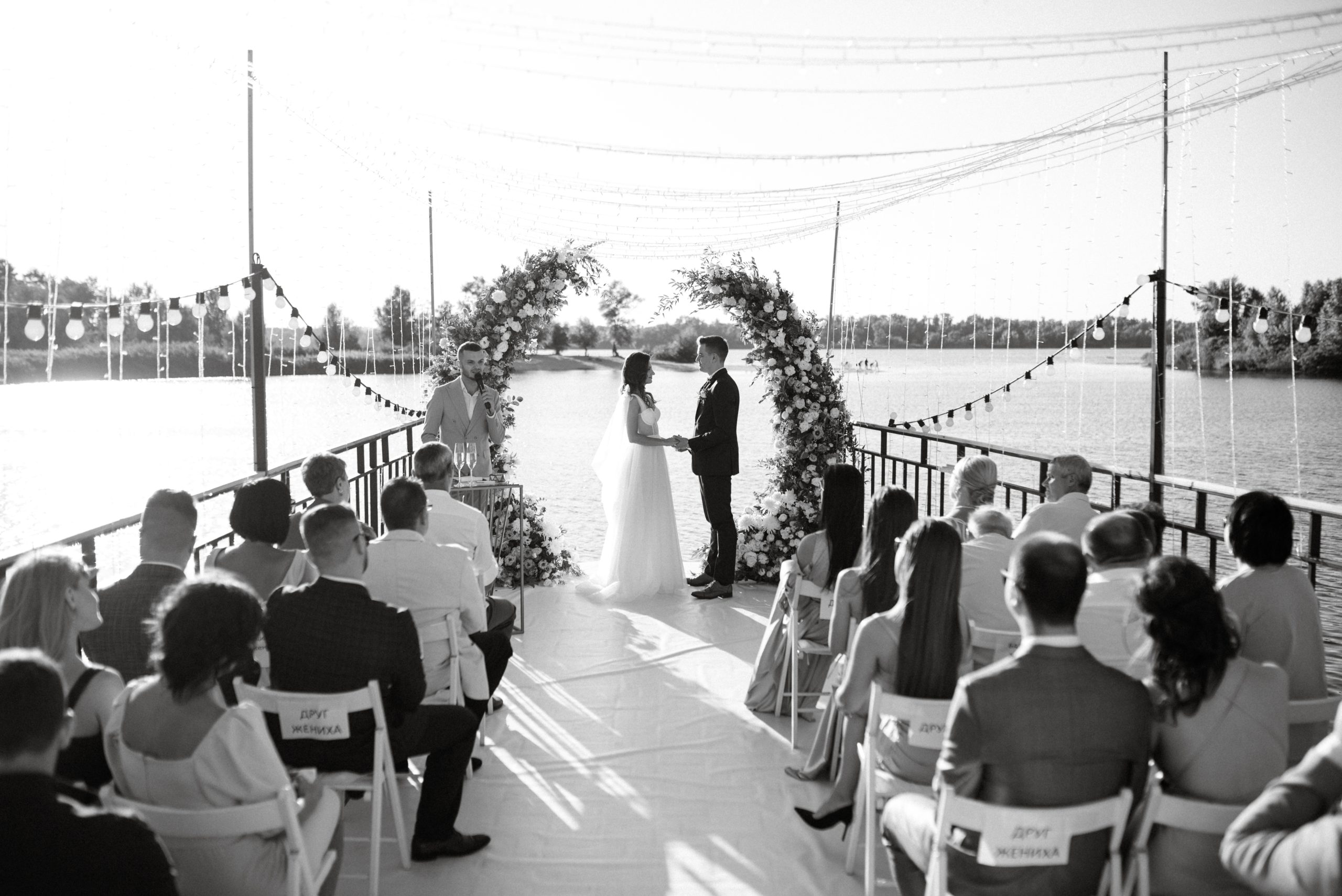
Weddings are no longer one-size-fits-all affairs. Today’s couples are ditching cookie-cutter templates in favor of more personalized, aesthetic-driven celebrations that reflect their love story. Whether you’re planning an intimate countryside vow exchange or a bold city soirée, the right visual touches turn a special day into an unforgettable one.
Designing your wedding aesthetic goes beyond picking a color scheme. It’s about creating a mood—one that aligns with who you are as a couple. From décor details to post-event keepsakes, here’s how to bring your dream wedding vision to life.
Choose an Aesthetic That Reflects Your Story
Before diving into mood boards and vendor lists, take a moment to think about what matters to you. Are you drawn to minimalism and elegance, or are you dreaming of a whimsical garden party? Your aesthetic should support the vibe you want guests to feel the moment they arrive.
Popular wedding aesthetics include:
- Modern romantic: Soft neutrals, sleek lines, and candlelit ambiance
- Rustic boho: Mismatched chairs, earthy florals, and lace details
- Vintage glam: Gold accents, antique touches, and moody lighting
- Bold and eclectic: Bright color palettes, geometric shapes, and creative signage
- Beach chic: Linen, driftwood, and wind-blown textures
Let your shared passions and personality guide your theme—it’s more meaningful that way.
Focus on Cohesive Details
Once you’ve settled on an aesthetic, use it to inform every element of your day—from stationery and flowers to lighting and tableware. A cohesive look doesn’t mean everything has to match; it means the overall vibe feels intentional and thoughtfully planned. The little design choices, when aligned, help tell a unified story that’s visually stunning and emotionally resonant.
Here are a few core areas where visual consistency matters:
- Invitations: These set the tone long before the big day. Choose fonts and graphics that reflect your theme. A soft watercolor invitation, for example, complements a romantic garden wedding much more effectively than bold typography would.
- Ceremony backdrop: Think beyond the altar. Draping, floral arches, or minimalist frames can elevate your vows visually. These design elements also create the perfect background for your wedding photos, so choose materials and colors that reflect your palette.
- Reception tables: Use layering—like chargers, textured napkins, and low centerpieces—to create depth. Coordinated table settings not only look beautiful but also make guests feel like every detail has been thoughtfully considered just for them.
- Lighting: A well-lit venue feels magical. Candles, string lights, or uplighting add mood without overwhelming. For a bolder touch, a custom vintage neon sign can double as decor and a photo-worthy backdrop—especially when personalized with your names, a wedding hashtag, or a fun phrase.
- Signage: Instead of generic signs, create custom touches like bar menus or welcome boards that feel like part of the décor. Fonts, color accents, and even frames should align with your broader visual language to keep the design seamless.
It’s often the layering of small elements that creates a big impact.
Make Memories Last with Design-Forward Keepsakes
Once the music fades and the florals dry, how you remember the day becomes just as important as how it looked. A well-designed wedding album is more than a collection of photos—it’s a curated experience that lets you relive the aesthetic magic again and again.
Creating wedding photo books that match your wedding theme helps preserve your style and story cohesively. Think linen covers, elegant typography, and custom layouts that highlight candid laughs as much as picture-perfect poses. You can even create mini versions as thank-you gifts for close family or members of the wedding party.
Keep Practicality in Mind
While it’s tempting to chase every Pinterest trend, balance your vision with comfort and flow. A beautiful wedding should also be an easy, joyful experience for guests—and you.
Here’s what to consider:
- Venue layout: Can guests move between ceremony, cocktail hour, and dinner with ease?
- Weather backup plans: If your aesthetic depends on outdoor space, always have a Plan B.
- Seating and signage: Make sure older guests and children have clear directions and comfy spots.
- Vendor coordination: Communicate your design goals clearly to avoid day-of surprises.
Even the most stylish wedding can go sideways without thoughtful planning.
Final Thought
A well-designed wedding isn’t about perfection—it’s about personality. When your aesthetic choices reflect your story, your values, and your shared joy, every detail feels genuine. And that’s what your guests—and you—will remember most.