Extending a house can be an effective way to create more living space without moving, but the financial commitment needs careful consideration. Whether the plan involves a larger kitchen, an additional bedroom, a home office or a more versatile family room, understanding the likely costs is essential before work begins. For homeowners considering a project in the area, speaking with local property professionals such as Hunters Barnsley can also provide useful context around buyer preferences and potential resale value.
An extension is rarely just a matter of paying for bricks, windows and labour. Planning requirements, professional fees, structural work, drainage, insulation, heating, electrics and interior finishes can all influence the final figure. Property market insights in Barnsley can also help homeowners determine whether the proposed improvement is likely to enhance the property’s appeal or simply make it more expensive without a corresponding increase in value.
1. Understanding House Extension Costs
The cost of a house extension varies considerably because no two projects are identical. A modest single-storey addition with straightforward access may be relatively economical, while a complex two-storey extension involving structural alterations can become a substantial investment.
The first step is therefore to establish what the extension needs to achieve. Increasing floor space is one consideration, but functionality matters just as much. A carefully designed 20-square-metre extension can sometimes be more useful than a poorly configured 30-square-metre addition.
2. What Is the Average Cost of a House Extension in the UK?
As a broad guide, UK homeowners can expect extension costs to vary from roughly £1,500 to £3,000 or more per square metre, depending on location, specification and complexity. Premium projects can exceed this range considerably.
For example, a 20-square-metre extension at £2,000 per square metre would indicate a basic construction budget of around £40,000. However, this should not automatically be treated as the final project cost.
3. The Main Factors That Influence Extension Costs
Size and footprint
Unsurprisingly, a larger extension normally requires more materials and labour. However, cost does not always increase in a perfectly linear fashion. Certain fixed expenses, such as professional fees and groundwork, may apply regardless of whether an extension is relatively small or substantial.
Type of extension
A side return, rear extension, wraparound extension and two-storey addition all present different construction challenges. The roof design, foundations and relationship with the existing building can materially affect expenditure.
Location and accessibility
The location of the property matters. Construction costs can vary across the UK, while difficult access to a rear garden may require additional labour or specialist equipment.
A property with restricted vehicle access, for example, can make the delivery and removal of building materials more cumbersome.
4. Two-Storey Extension Costs
A two-storey extension can provide considerably more floor space, potentially creating bedrooms upstairs while expanding the living area below.
Although the cost per square metre may sometimes be more efficient than constructing two separate extensions, the overall expenditure is naturally higher because of the increased floor area and structural requirements.
Two-storey projects can also involve more complex planning considerations. The effect on neighbouring properties, privacy, overlooking and the character of the existing building may all need to be assessed.
5. Kitchen and Dining Extensions
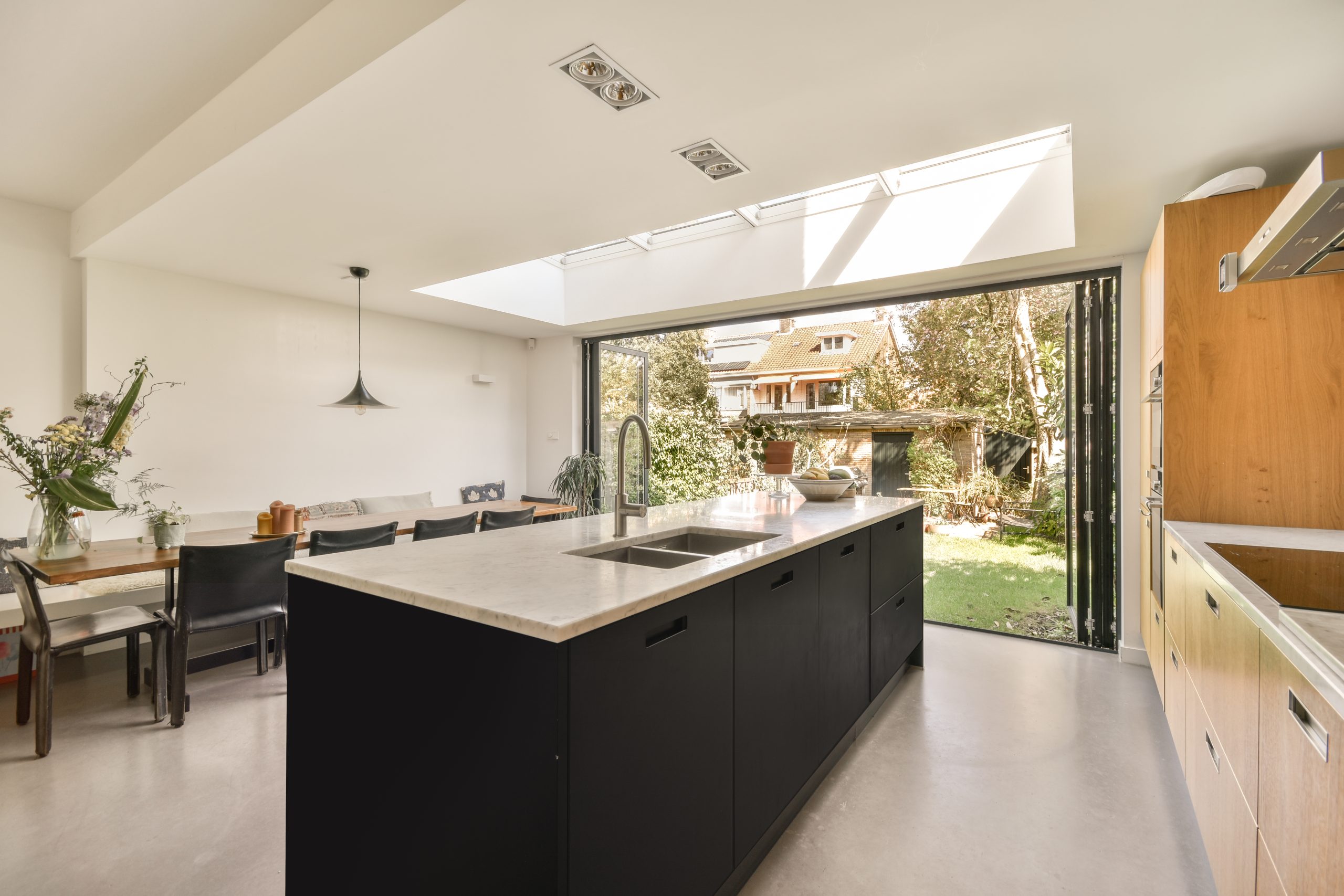
Kitchen extensions are particularly popular because they can transform the way a home is used. However, they can also become one of the more expensive forms of extension.
The construction cost is only part of the equation. A new kitchen may require cabinets, worktops, appliances, flooring, lighting, plumbing and ventilation.
Homeowners should establish a realistic kitchen allowance at the beginning rather than treating the kitchen as an afterthought. Otherwise, a seemingly controlled construction budget can become distorted by increasingly ambitious interior choices.
6. Bathroom and Utility Room Extensions
Adding a bathroom can increase functionality, particularly where an existing home has only one bathroom. However, bathrooms involve several specialist trades.
Plumbing, drainage, waterproofing, ventilation, electrics and sanitaryware all need to be coordinated. Moving drainage connections can be especially significant if the proposed bathroom is located away from existing plumbing infrastructure.
7. Planning Permission and Building Regulations
Not every extension requires full planning permission. Certain projects may fall within permitted development rights, subject to specific conditions and limitations.
However, permitted development does not mean that building regulations can simply be ignored. Structural integrity, insulation, fire safety, ventilation, drainage and other technical requirements still need to be addressed where applicable.
8. Architects, Structural Engineers and Professional Fees
Professional fees are another expenditure that should be included from the outset.
Depending on the complexity of the project, homeowners may need an architect or architectural designer, structural engineer, planning consultant or building control professional.
Structural calculations may be necessary where walls are removed, openings are enlarged or significant loads are introduced.
9. How Materials and Finishes Affect the Budget
Materials can dramatically alter the final price.
Basic brickwork, standard windows and conventional flooring will generally cost less than bespoke joinery, premium glazing and specialist finishes. The same principle applies throughout the interior.
It is sensible to establish priorities. If natural light is central to the design, investing in better glazing may make sense. If the extension is primarily intended as a practical utility space, there may be little justification for luxury finishes.
A disciplined specification prevents budget creep.
10. Labour Costs and Contractor Selection
Labour can account for a significant proportion of an extension budget. Choosing a contractor based solely on the lowest quotation can therefore be a false economy.
A credible contractor should provide a clear quotation, explain assumptions and identify what is included and excluded. References and evidence of previous work can also provide valuable reassurance.
11. Unexpected Costs to Allow For
Even well-planned projects can encounter unforeseen complications.
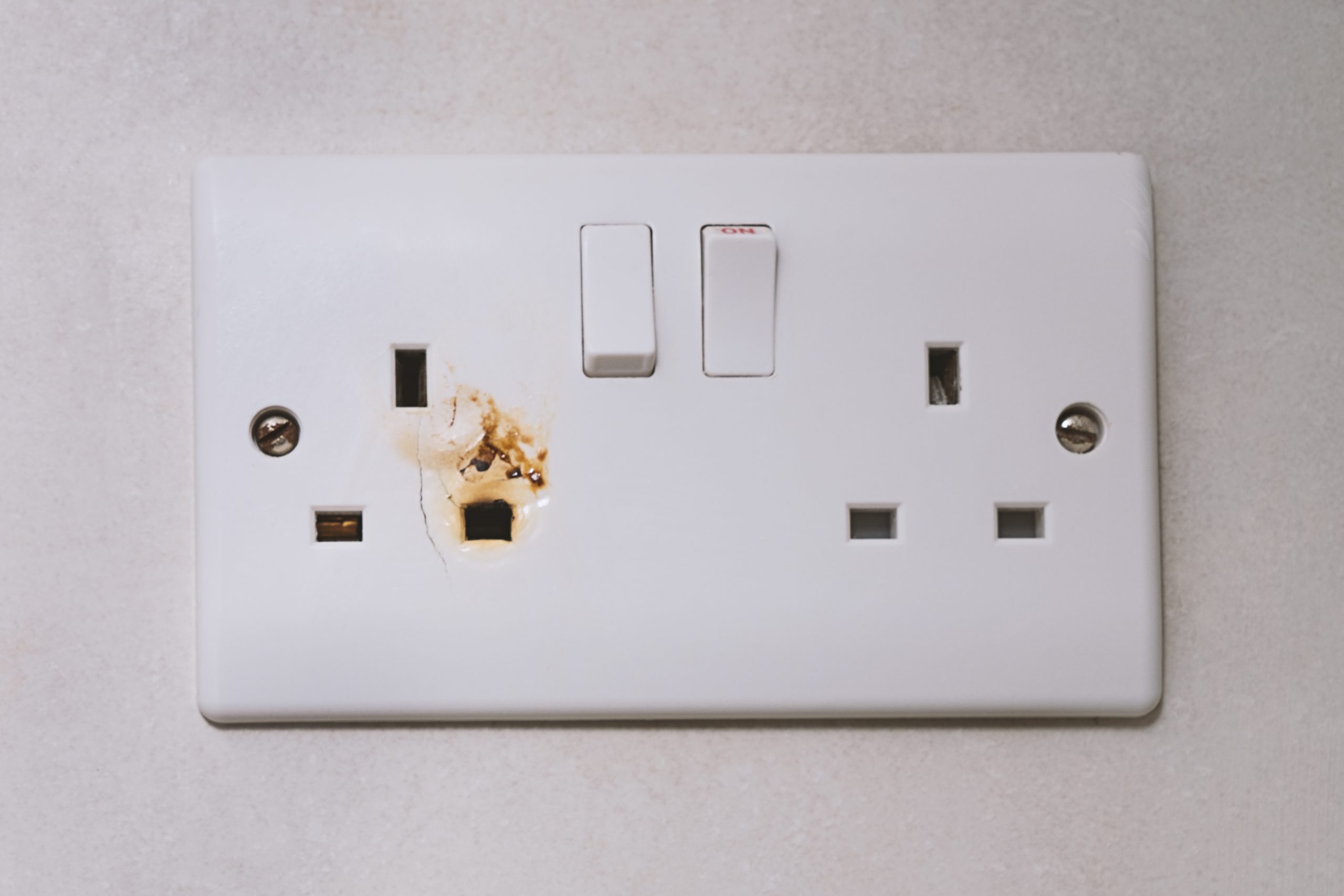
Common examples include poor ground conditions, unexpected drainage, hidden structural defects, outdated wiring or complications discovered when walls and floors are opened.
12. How to Keep Extension Costs Under Control
The most effective way to manage costs is to make major decisions before construction begins.
Changing the layout halfway through the project can be expensive. So can changing windows, doors, flooring or kitchen specifications after materials have already been ordered.
A detailed schedule of works can help. This should identify materials, finishes, fixtures and responsibilities clearly.
13. Will an Extension Add Value to Your Home?
An extension can increase a property’s value, but there is no universal formula.
The additional space needs to make sense for the property and its surroundings. A well-designed family kitchen, additional bedroom or useful home office may appeal strongly to future purchasers.
However, homeowners should avoid assuming that every pound spent will automatically be recovered when the property is sold.
14. Using Local Property Market Knowledge When Planning an Extension
Before committing to an expensive project, homeowners should consider what buyers actually value in their local market.
This is where local property market insights can be particularly useful. The features that appeal to buyers in one area may not carry the same weight elsewhere.
A house extension can be transformative. Done well, it can create a more functional home, improve day-to-day living and potentially strengthen the property’s appeal to future buyers. But successful projects tend to be characterised by preparation rather than improvisation.
For UK homeowners, the central question is therefore not simply, “How much will an extension cost?” It is, “What will this extension achieve, and is that outcome worth the investment?” Answering that question before the first foundations are dug can make the difference between an expensive building exercise and a genuinely worthwhile improvement to the home.