










The journey to motherhood is both exhilarating and daunting, with the final stretch — childbirth — being a significant milestone.
Properly preparing for birth helps ensure both the mother’s and baby’s health. The Royal College of Obstetricians and Gynaecologists (RCOG) continues to emphasise the importance of antenatal care and informed decision-making.
With new guidelines and resources available, expectant mothers have more support than ever. Here’s how you can prepare effectively for the arrival of your baby.
Educate Yourself
Understanding the process of childbirth can alleviate many fears and uncertainties. Attend antenatal classes, which are often available through NHS services or private providers. These classes cover a range of topics, including stages of labour, pain relief options, and breastfeeding.
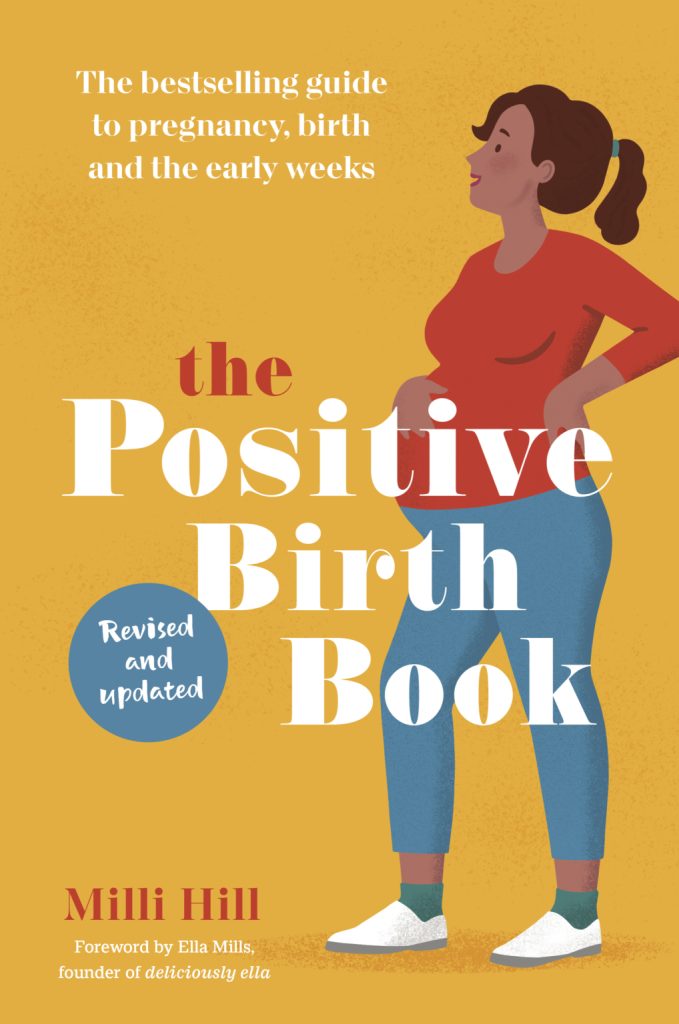
Reading books and reliable online resources can also be beneficial. Books like “The Positive Birth Book” by Milli Hill provide a modern take on childbirth, promoting a positive and empowering perspective.
Create a Birth Plan
A birth plan outlines your preferences for labour and delivery, helping you communicate your wishes to your healthcare team. Discussing your plan with your midwife can ensure that everyone is on the same page. Your plan might include preferences on pain relief, who you want as your birth partners and any specific cultural or personal considerations.
However, it’s essential to remain flexible. Birth can be unpredictable, and being open to changes can reduce stress if things don’t go exactly as planned.
Pack Your Hospital Bag
Having your hospital bag ready by 36 weeks can ensure you’re prepared if labour starts unexpectedly. Include items for yourself, such as comfortable clothing, toiletries, and any necessary medications. For the baby, pack nappies, clothing, and a blanket.
Books and magazines or a tablet pre-loaded with your favourite shows and films can help pass the time in hospital if you require an overnight stay.
Take Care of Your Mental Health
Mental health is just as important as physical health during pregnancy. Hormonal changes, anxiety about childbirth, and the impending responsibility of caring for a newborn can be overwhelming. Engage in activities that help you relax, such as prenatal yoga, meditation, or gentle walks. Speaking with a therapist or joining a support group for expectant mothers can also be beneficial.
The NHS offers resources and support for maternal mental health, including perinatal mental health services for those experiencing more severe issues.
Available Support
Understanding your rights and the support available to you can make a significant difference in your childbirth experience. It’s essential to be aware of the healthcare standards you should expect during labour and delivery. The NHS and other healthcare providers are committed to ensuring safe and high-quality care for all mothers and babies.
In the rare event that complications arise, it’s important to know that you have avenues for support. Maternity negligence, such as misdiagnosis or errors during delivery, can sometimes occur. If you suspect something has affected your care, maternity negligence lawyers offer advice and support on your rights during childbirth.
Additionally, consider familiarising yourself with the complaint procedures of your healthcare provider. Most hospitals have a Patient Advice and Liaison Service (PALS) that can assist you with concerns or complaints about your care. Understanding these processes can empower you to advocate for yourself and your baby effectively.