









When it comes to exercise, it’s difficult to beat a long walk through the countryside. Hiking is a pursuit enjoyed by millions of people across the country.
Getting the best from it usually means tracking down the right windproof clothing, and lacing up a well-fitting and rugged pair of boots. But it’s also worth thinking about the effect that a long hike might have on your eyes, particularly if you intend to go for a hike during summer.
So, how can you protect your eyes while you’re hiking?
Invest in Quality Sunglasses
Ultraviolet light poses an ongoing challenge for hikers during summer. If you find yourself squinting into the sun while ascending an exposed peak, then the chances are that your eyes are absorbing more ultraviolet rays than is healthy.
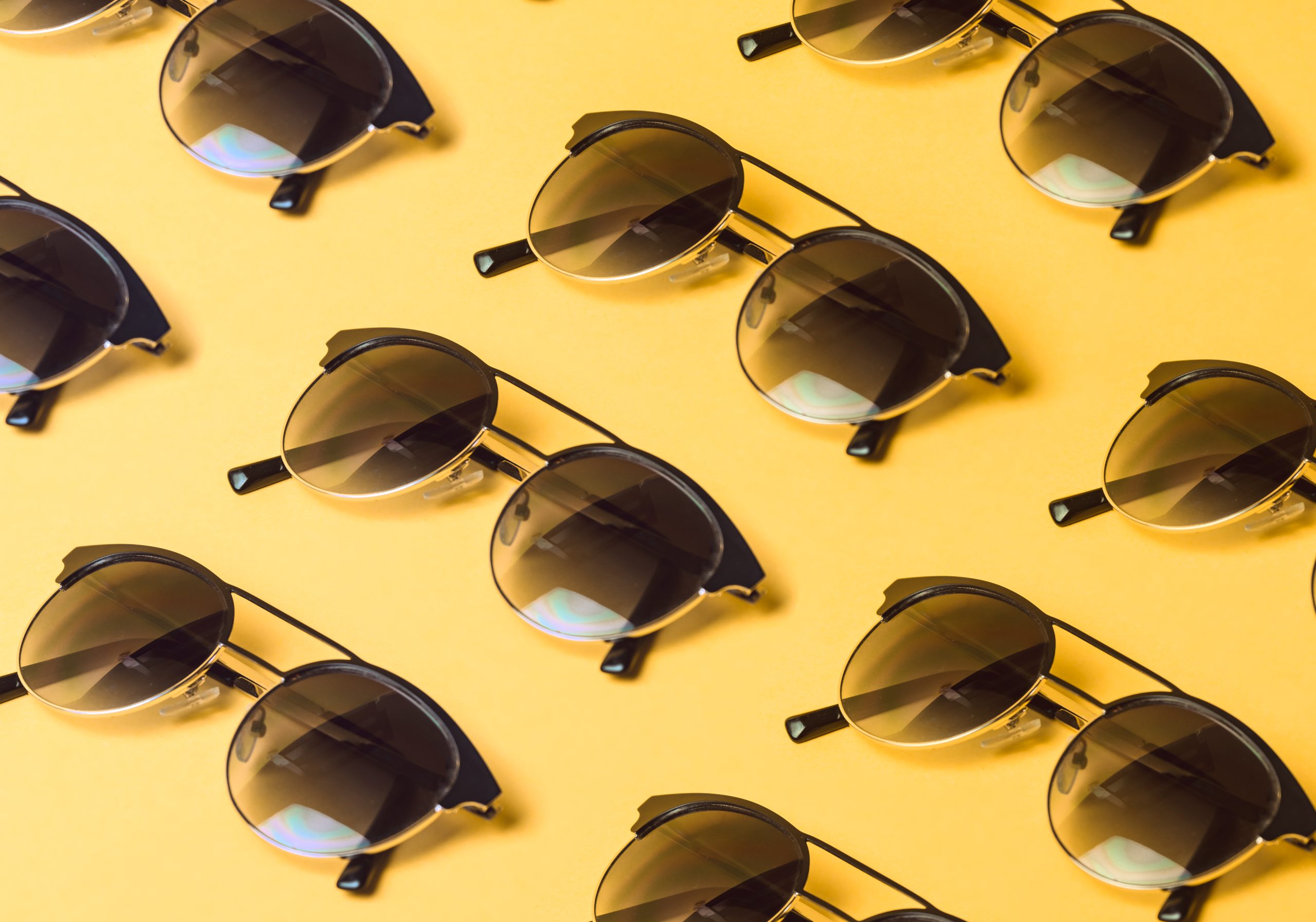
The solution here is a pair of sunglasses. Look for a pair that excludes 100% of sunlight. So-called ‘fashion’ spectacles, which don’t block harmful rays, are to be avoided. Look at the durability of the frame, and try them on for a bit to see whether they comfortable, and whether they exclude all of the light hitting your face from every angle.
Wear a Wide-Brimmed Hat
A hat of this kind works wonderfully when it comes to keeping the sunlight away, and your face cool. In many cases, even the best pair of sunglasses won’t be able to keep all of the sun out – and thus a hat is an essential purchase. It has the added benefit of protecting your face and neck from sunburn – but it isn’t a substitute for sun block, on sunny days.
Use Protective Eyewear in Hazardous Terrain
If you’re hiking through a dense jungle, or a dusty desert trail, then your sunglasses will need to be able to cope with the occasional impact. A pair of wrap-around sunglasses will be able to prevent dust from blowing straight into your eyes, in a way that a more straightforward pair of glasses will not.
Maintain Proper Eye Hygiene on the Trail
Keeping yourself clean while you’re on the trail will help protect your eyes. Take a pack of wet wipes, and clean your hands before you deal with any eye problems.
If you wear contact lenses, then you might bring substitutes with you in case of a failure. Hikers who wear toric contact lenses should pay particular attention to lens hygiene, and bring a pair of backup glasses, just in case.
The human eye has a built-in mechanism for expelling foreign objects like dust: it will weep, and wash those nasty particles out. Still, you’ll want to have access to eye drops and other aids if you are prone to eye irritation.