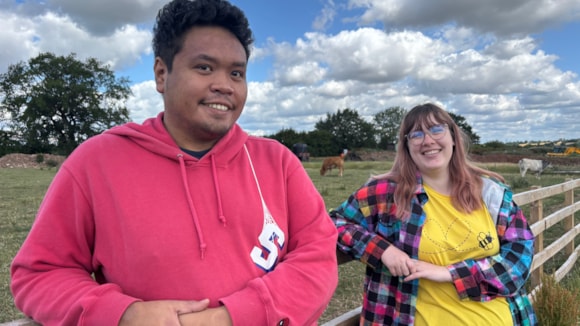








Adventure-based learning is an educational approach that blends physical activities, teamwork, and real-world challenges to foster personal growth in young people. By stepping outside the traditional classroom, children and teens gain invaluable life skills, develop resilience, and build stronger connections with their peers. This hands-on, experiential form of learning is particularly effective for shaping confident, capable individuals ready to tackle life’s challenges.
Developing Confidence and Self-Esteem
One of the primary benefits of adventure-based learning is its ability to build confidence. Activities such as rock climbing, kayaking, or navigating an obstacle course push young participants outside their comfort zones. Successfully completing these tasks gives them a sense of achievement and reinforces their belief in their own abilities.
For many young people, overcoming physical and mental challenges in a supportive environment shows them that they are capable of much more than they realise. This newfound confidence often spills over into other areas of their lives, from schoolwork to social interactions.
Encouraging Teamwork and Collaboration
Adventure-based learning often involves group activities that require teamwork and communication. Tasks like solving puzzles, building a shelter, or completing a scavenger hunt encourage participants to work together, share ideas, and support one another.
These experiences teach young people the value of collaboration and foster essential interpersonal skills such as empathy, active listening, and conflict resolution. For younger participants, such as those attending a brownies kids camp, these activities create a foundation for building healthy relationships and effective teamwork.
Enhancing Problem-Solving Skills
In an adventure-based learning setting, challenges often require creative thinking and quick decision-making. Participants are encouraged to assess situations, weigh their options, and find solutions to real-world problems.
These problem-solving exercises are not only engaging but also teach valuable skills that can be applied in everyday life. Young people learn to think critically, adapt to changing circumstances, and approach challenges with a positive mindset.
Building Resilience and Adaptability
Outdoor and adventure activities are rarely predictable. Weather changes, unexpected obstacles, or group dynamics often require participants to adapt and persevere. Learning to navigate these situations helps young people build resilience and teaches them that setbacks are an opportunity for growth.
Resilience is a crucial life skill, enabling individuals to bounce back from failures and maintain a positive outlook. Adventure-based learning provides a safe yet challenging environment where young people can practice and develop this vital quality.
Promoting Physical and Mental Wellbeing
Adventure-based learning naturally incorporates physical activity, which is essential for maintaining health and fitness. Activities like hiking, canoeing, or zip-lining improve cardiovascular health, build strength, and boost energy levels.
Spending time in nature also has significant mental health benefits. Research shows that being outdoors reduces stress, improves mood, and enhances focus. For children and teens who face academic and social pressures, adventure-based learning offers a refreshing and restorative experience.
Inspiring a Growth Mindset
Adventure-based learning emphasises effort, learning, and improvement over immediate success. Whether it’s mastering a new skill or overcoming a fear, participants are encouraged to embrace challenges and view mistakes as opportunities to grow.
This growth mindset helps young people approach life with curiosity and determination. They learn to value persistence and effort, which are essential traits for achieving long-term goals.
Fostering Independence and Responsibility
For many young participants, adventure-based programs provide their first taste of independence. Being away from home and taking part in activities that require self-reliance helps them develop a sense of responsibility.
Whether it’s managing their time, caring for their equipment, or making decisions during a group challenge, these experiences encourage young people to take ownership of their actions and learn from their choices.
Strengthening Connections with Peers and Mentors
Shared experiences during adventure-based learning create strong bonds between participants and their mentors. Working together to overcome challenges fosters trust, mutual respect, and a sense of camaraderie.
Programs like brownies kids camp are particularly effective at building these connections. Younger participants benefit from the guidance of experienced leaders and the support of their peers, creating a nurturing environment where they feel valued and included.
Cultivating an Appreciation for Nature
Adventure-based learning often takes place in outdoor settings, allowing participants to connect with nature and develop an appreciation for the environment. Activities such as hiking, wildlife observation, or environmental conservation projects teach young people about the importance of sustainability and stewardship.
These experiences inspire a lifelong love for the natural world and a commitment to protecting it for future generations.
Preparing for Future Success
The skills and qualities developed through adventure-based learning are highly transferable, preparing young people for success in academics, careers, and personal relationships. Confidence, resilience, teamwork, and problem-solving are all attributes that contribute to well-rounded, capable individuals.
Adventure programs also spark curiosity and ambition, encouraging participants to set goals and pursue their passions with enthusiasm.
Making Adventure-Based Learning Accessible
To ensure that all young people can benefit from adventure-based learning, it’s important to make these opportunities accessible. Here are some ways to promote inclusivity:
- Provide Financial Support: Offer scholarships or subsidies to families who may face financial barriers.
- Design Inclusive Programs: Create activities that cater to diverse abilities and interests, ensuring every participant feels welcome.
- Encourage Participation: Work with schools, community groups, and families to highlight the benefits of adventure-based learning and encourage enrolment.
Conclusion
Adventure-based learning is a powerful tool for youth development, offering a unique blend of physical activity, teamwork, and personal growth. By stepping outside their comfort zones and embracing challenges, young people build confidence, resilience, and essential life skills that prepare them for the future.
Programs like brownies kids camp play a vital role in providing these transformative experiences. By fostering independence, encouraging collaboration, and inspiring a love for learning, adventure-based learning helps shape the next generation of confident, capable, and compassionate leaders.