









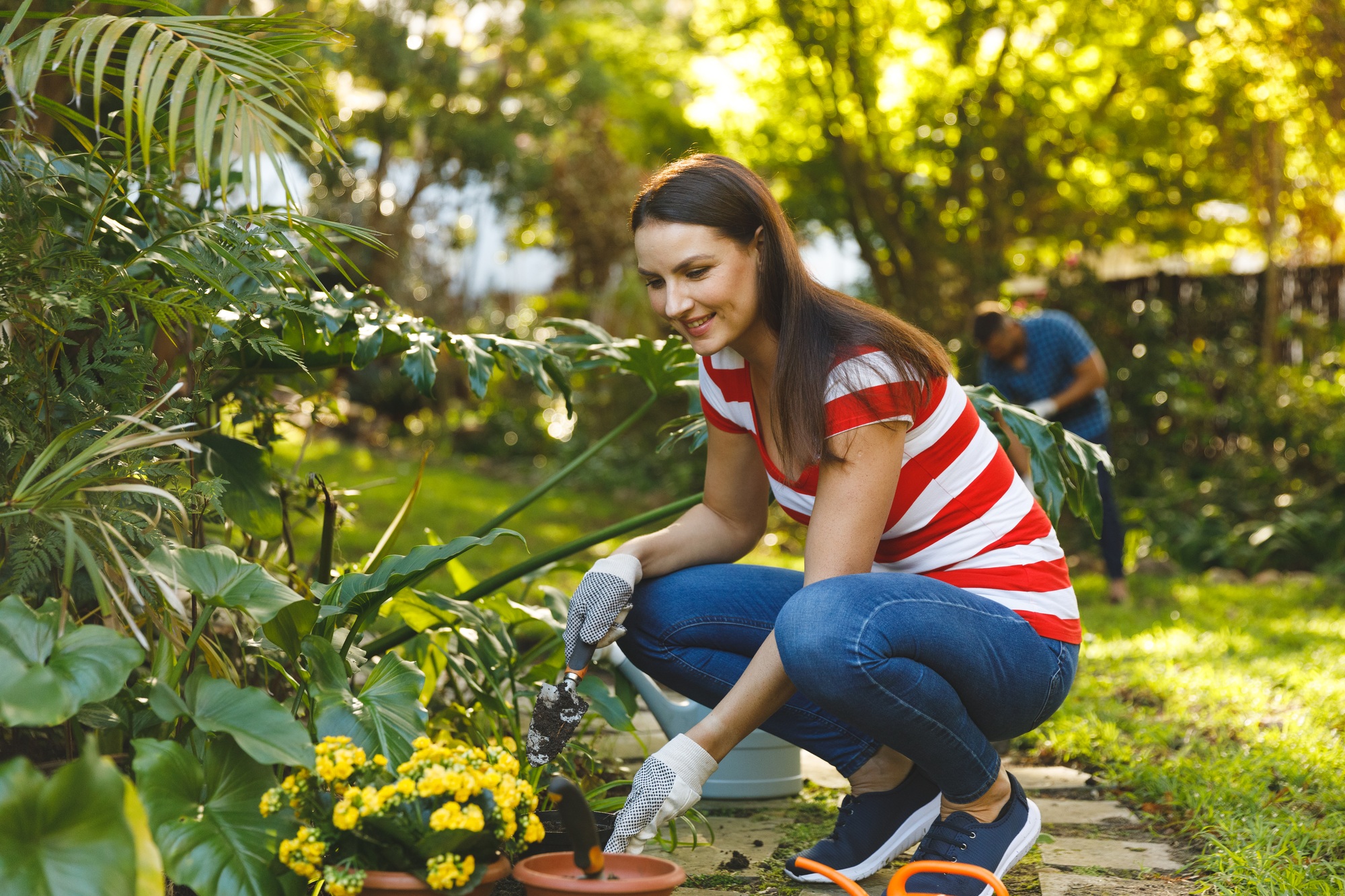
Creating a garden that supports wildlife is easier than most homeowners think. By making a few thoughtful changes, you can turn your outdoor space into a thriving habitat for birds, bees, hedgehogs, and butterflies. These efforts benefit the creatures that visit and create a more vibrant, resilient garden for you to enjoy.
Why Staffordshire Gardens Need Wildlife
Many Staffordshire gardens have seen a decline in visits from birds, bees, and beneficial insects. This drop affects natural pest control and pollination, both vital for strong plant growth. Gardens that welcome wildlife enjoy fewer pest problems and better yields from fruit and vegetable crops.
Wildlife-friendly features such as native wildflowers, ponds, and compost heaps enrich the soil, improve plant health, and make gardening more sustainable. These additions connect neighbourhood habitats, giving birds and insects places to feed, nest, and shelter.
Native Plants That Attract Pollinators
Using native wildflowers supports local insect populations because these plants have evolved alongside native pollinators. Flowers like foxgloves, cowslips, and primroses provide crucial nectar and pollen throughout spring and summer. Wild marjoram helps butterflies such as the standard blue thrive later in the season.
Native species adapt well to local conditions, often needing less water and care than ornamental imports. Grouping them together makes it easier for pollinators to forage. Some, like stinging nettles, are essential food sources for specific butterfly caterpillars, highlighting their ecological value.
Reducing Chemical Use in Wildlife Gardens
Minimising chemicals keeps gardens safer for birds, insects, and small mammals. Natural solutions like marigolds for pest deterrence and copper tape to repel slugs offer protection without harming helpful creatures. Encouraging predator insects and birds balances pest populations naturally.
Switching to peat-free compost protects endangered peatlands and supports soil biodiversity. Options such as coir and wood fibre provide a sustainable alternative and benefit invertebrate life. These changes create a more self-sustaining and environmentally friendly garden. Those seeking eco-conscious gardening supplies can visit AHS online.
Creating Year-Round Flowering Cycles
A steady supply of nectar and pollen is essential. Early blooms like snowdrops, crocus, and winter-flowering heather support bees emerging in late winter. Spring flowers like bluebells and primroses continue the cycle, while summer plants such as poppies and cornflowers carry it through the warmer months.
Autumn flowers like sedum and Michaelmas daisies provide late-season sustenance. Leaving seedheads over winter feeds birds such as goldfinches when food is scarce. Planning for flowering throughout the year helps maintain active wildlife populations in your garden.
Water Features for Garden Wildlife
Adding water instantly increases wildlife presence. Even a shallow bird bath can attract feathered visitors if placed near shrubs. Small ponds with gently sloping sides are ideal for frogs, newts, and dragonflies.
A solar-powered fountain keeps water moving, making it more attractive to birds and less appealing to mosquitoes. During frosty periods, check and clear ice from bird baths, and in warmer months, keep water topped up to prevent dehydration among garden visitors.
Wildlife Shelter and Nesting Sites
Shelter is vital for wildlife to thrive. Log piles and stone heaps support beetles, woodlice, and other decomposers, which enrich your garden’s soil. Leaving hollow plant stems through winter provides hiding places for solitary bees and ladybirds.
Bird and bat boxes make up for the lack of natural tree holes. Position boxes away from prevailing winds and intense sun. Hedgehog homes should be set up in autumn so residents can prepare for winter hibernation. These small structures give lasting support to a wide range of species.
Insect Hotels and Hibernation Spots
Purpose-built insect hotels attract solitary bees and lacewings and support natural pest control. Bamboo tubes and drilled wood create suitable habitats for different insects. Position them in sunny spots near flowering plants to encourage activity.
Clean hotels gently once a year in late summer to prevent disease. Avoid disturbing them during winter, as some insects may still be dormant. Leaving part of the structure untouched ensures shelter for species with longer life cycles.
Creating Wildlife Corridors Between Gardens
Linking gardens with wildlife corridors helps animals travel for food and shelter. Simple changes, such as cutting small gaps at the base of fences, allow hedgehogs and amphibians to move freely. Continuous borders of wildflowers or native hedges offer resting and feeding points for bees and butterflies.
Collaborating with neighbours to connect gardens amplifies these efforts. Whether through joined water features or complementary planting, combined actions create a larger, safer environment for local species.
Conclusion: Building a Wildlife-Friendly Garden for All Seasons
Transforming your garden into a haven for local wildlife doesn’t require drastic changes. With thoughtful planting, simple water features, safe shelters, and a commitment to reducing chemicals, even the smallest garden can make a big difference.
Each positive step supports pollinators, birds, and small mammals while enriching your own experience of the outdoors.