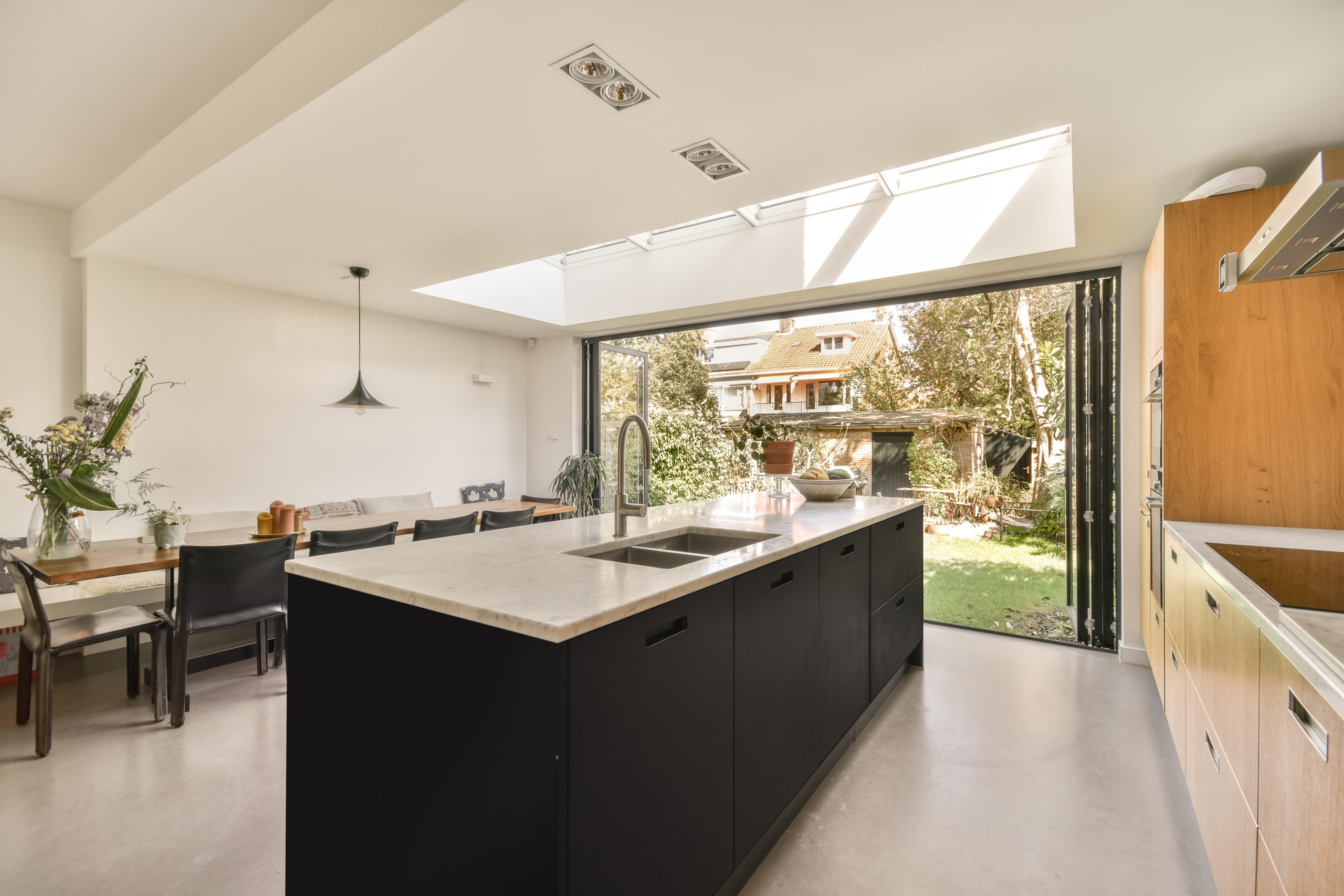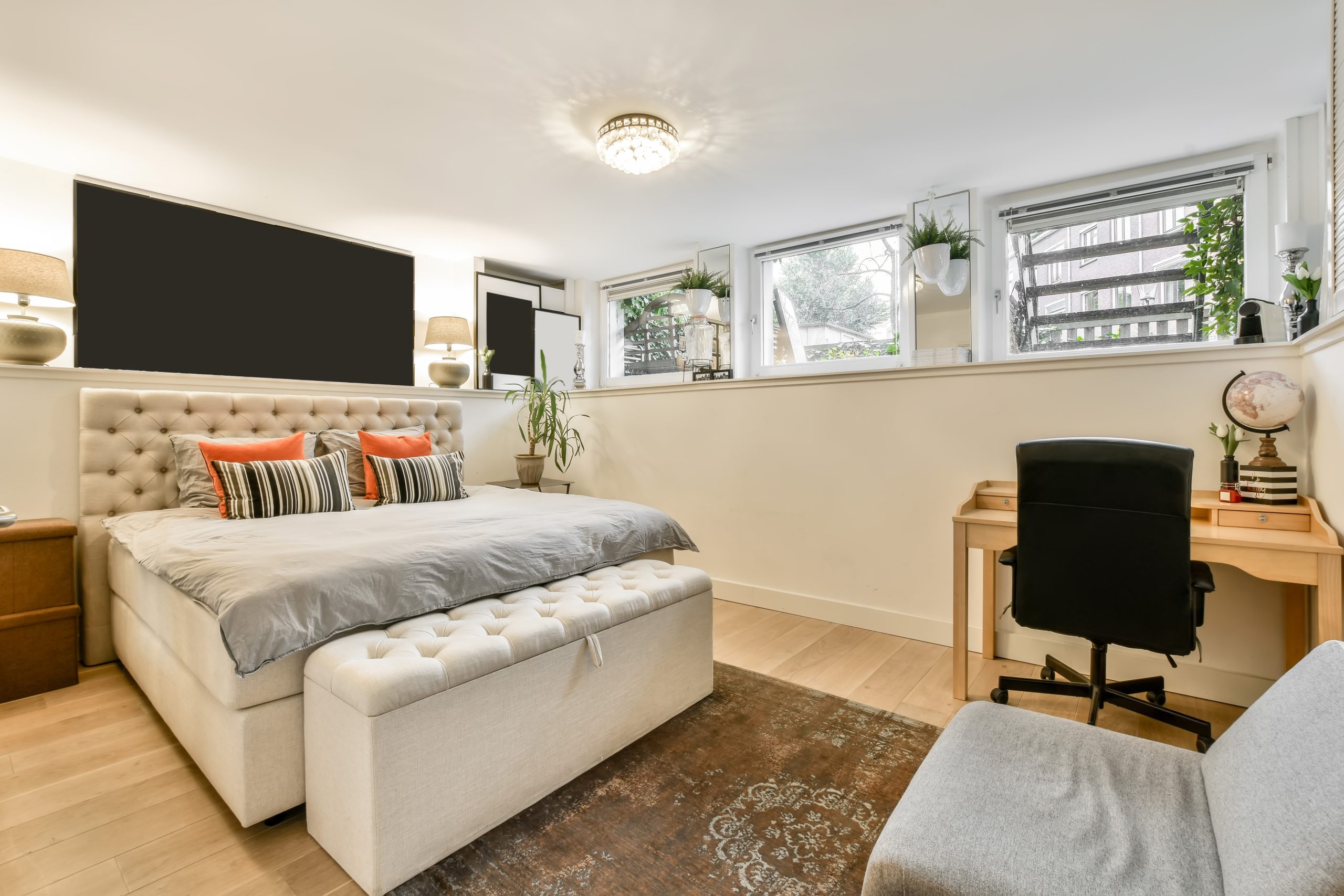
Spare rooms in Staffordshire homes often sit underused, acting as makeshift storage areas or simply remaining empty. As housing demand grows and property owners look for new income sources, more people turn to shared rentals as a practical and profitable solution. Converting a spare room into a setup known as a House in Multiple Occupation (HMO) allows homeowners to rent individual rooms to separate tenants. This model is gaining popularity in the region, particularly in nearby universities, hospitals, and business hubs.
Rather than letting out a property as a single-family unit, HMO arrangements can offer greater flexibility and returns. However, the process involves specific legal, planning, and financial considerations that homeowners must understand to ensure success.
Why Staffordshire Homeowners Are Embracing Shared Rentals
In recent years, property owners across Staffordshire have explored the financial advantages of turning standard homes into shared accommodation. Unlike single-tenancy lets, HMOs typically generate income from multiple sources, allowing for improved returns when each room is rented out individually. Demand is fuelled by students, young professionals, and key workers seeking flexible and cost-effective living arrangements.
Setting up this rental model involves navigating a more complex mortgage landscape. Traditional lenders often avoid multi-occupancy properties due to the additional legal and compliance risks. In these cases, homeowners need support from specialist providers who understand how to structure finance for these property types. Working with experienced HMO mortgage lenders is vital when assessing eligibility and terms for a mortgage for HMO conversion.
Each council in Staffordshire also enforces its licensing conditions. These rules govern property layout, safety, and management practices and vary depending on location. This means that a project in Stoke-on-Trent may differ significantly from one in Burton or Newcastle-under-Lyme.
Planning Around Local Regulations
The regulatory landscape in Staffordshire can be challenging to navigate. Each district sets its own licensing requirements, often based on occupancy levels and property location. For example, larger HMOs with five or more tenants typically require a mandatory licence. However, even smaller HMOs may need additional licensing if located within certain council zones.
One area to be particularly aware of is the presence of Article 4 directions. These planning restrictions remove permitted development rights, meaning that even a small HMO conversion may require planning permission. Article 4 zones exist in student-heavy areas such as those around Keele University and parts of Stoke-on-Trent. The best approach is to consult your local planning department early to understand whether your property falls within these areas.
Compliance with licensing rules is not limited to layout. Authorities also assess waste management, parking provision, and management arrangements as part of the licensing process. Submitting detailed applications with clear floorplans and evidence of safety upgrades helps avoid unnecessary delays.
Key Financial Considerations Before You Convert
While the rental returns of HMOs can be attractive, the initial investment must be carefully planned. Budgeting for upgrades is essential. Fire safety installations, additional bathrooms, and layout changes are often necessary. Upfront costs can vary significantly depending on the existing state of the property.
Beyond construction, changes in tax rules over recent years have impacted how landlords structure their investments. Many are now opting to set up limited companies to manage their property portfolios more efficiently. This can help to mitigate tax liabilities and improve long-term viability.
Accessing finance specifically tailored to multi-tenancy properties is crucial. Products marketed as HMO mortgages differ from standard buy-to-let offers. They assess potential income based on individual room rents rather than the property’s market rent as a whole. Lenders also consider the applicant’s experience, property location, and planning permissions when deciding on terms.
Deposit requirements and interest rates tend to be higher. Arrangement and valuation fees also reflect the added complexity of HMO properties. This makes it important to compare offers from a range of HMO mortgage lenders, as each one will have different criteria and lending conditions.
Funding Your Staffordshire HMO Project
There are several financing options available to Staffordshire homeowners looking to convert their homes. While some may fund renovations through savings, larger projects often require remortgaging or accessing specialist loans. A mortgage for HMO purposes is tailored to accommodate legal and practical aspects such as fire regulations, tenant types, and communal space requirements.
Affordability assessments for these products are based on projected rental income rather than personal earnings. This is especially helpful for landlords who plan to expand their portfolios. However, documentation is key. Applicants should expect to provide detailed floor plans, proof of local licensing, evidence of planning permissions if required, and proposed tenancy agreements.
Working with brokers familiar with the HMO mortgage market can help homeowners compare providers and products more efficiently. These brokers understand how lenders evaluate HMO risks and can guide applicants through compliance-related documentation to ensure a smoother approval process.
Long-Term Management and Maintenance Strategies
Once an HMO is operational, ongoing management becomes an essential consideration. With multiple tenants occupying the same property, more care is required in managing shared spaces and addressing tenant needs. Vetting tenants thoroughly reduces the risk of disputes or unpaid rent. References, employment checks, and rental history should be part of every application process.
Some homeowners choose to self-manage, while others hire letting agents or property managers, especially those with experience in shared accommodation. While management services reduce direct involvement, they also incur monthly costs, so landlords must factor this into financial planning.
Regular maintenance is essential in HMO settings due to higher wear and tear. Items such as boilers, white goods, and carpets may require more frequent replacement than in single-tenant properties. Allocating part of the rental income towards ongoing upkeep ensures the property remains compliant, attractive, and profitable.
In Short
For Staffordshire homeowners, transforming underused spare rooms into shared rental spaces can unlock significant financial opportunities. By understanding local regulations, choosing appropriate finance, and planning for day-to-day management, the HMO model can be a sustainable and rewarding path.
The process does require detailed planning and financial discipline, but the long-term rewards often justify the effort. With demand for flexible housing continuing across the region, now may be the perfect time for homeowners to put their spare rooms to better use.