










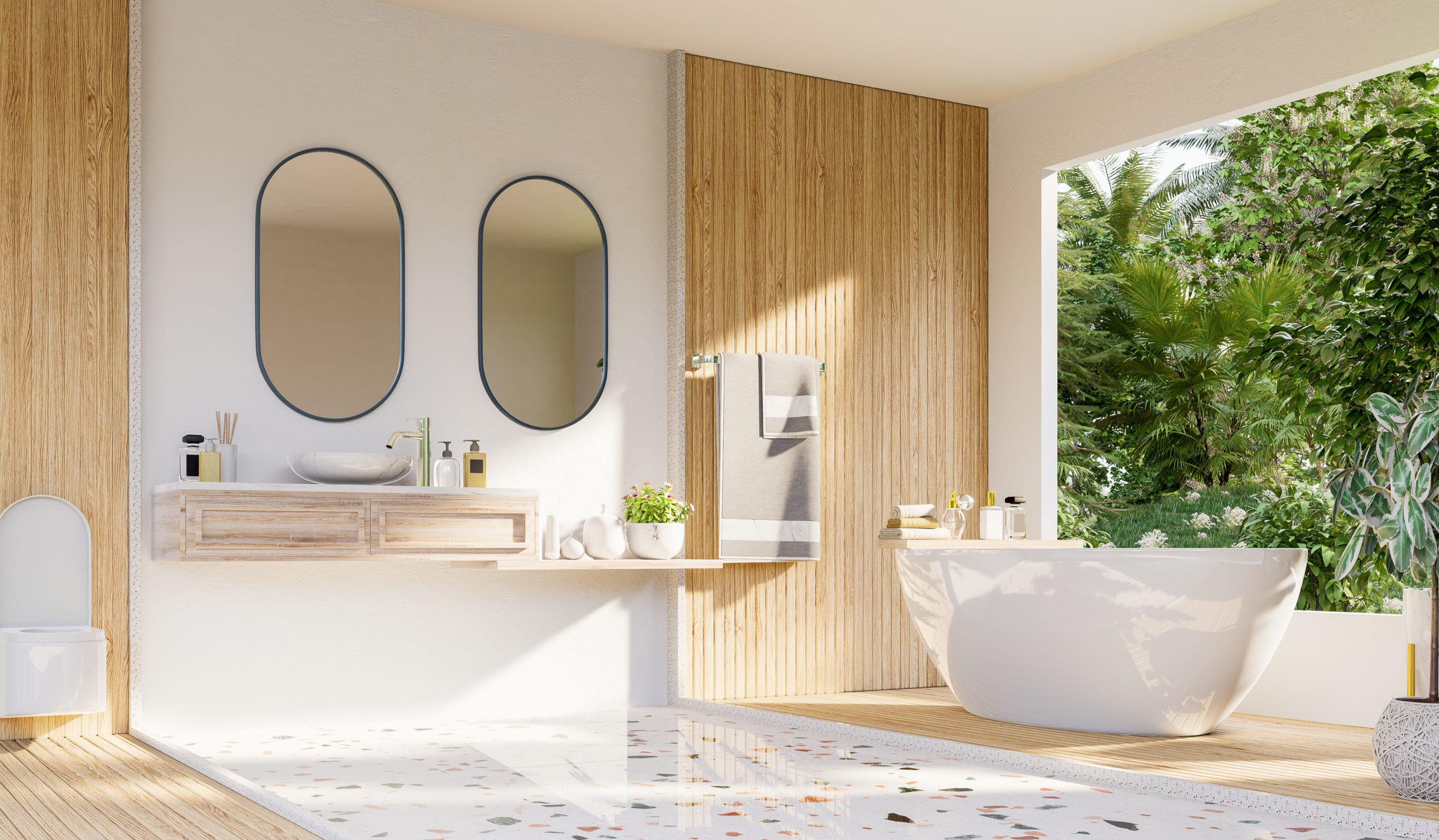
Bathrooms have changed a great deal in recent years, with modern designs now combining style and practicality for a more inclusive space. For many homeowners, especially those with elderly family members, creating a bathroom that is both attractive and safe is a top priority.
Accessible shower solutions address these needs by removing mobility barriers and offering a polished, contemporary look. These designs fit seamlessly into updated homes and have become a popular choice for bathroom renovations.
The bathroom is often the most hazardous room for older adults. Many falls among those aged sixty-five and over occur here. Traditional bath and shower combinations can increase the risk of accidents with their high sides and slippery surfaces. Modern shower designs aim to remove these hazards while keeping an attractive appearance.
Apart from safety, these accessible solutions are highly adaptable in design. Many homeowners choose sleek glass panels or traditional decorative tiles. Accessible showers can match any décor. This makes them popular for homeowners who want to prepare their homes for the future without sacrificing style.
Modern Bathroom Design Trends That Prioritise Safety
The bathroom can present particular challenges for older adults. Areas such as stairs and bathrooms are often associated with a higher risk of slips and falls, especially when surfaces are wet or slippery.
Falls are a common concern for people aged sixty-five and over, with many incidents occurring at home. For further details, consult reputable falls prevention resources.
This reality has led to a rise in the ‘ageing in place’ approach. This focuses on creating homes that remain practical and safe as residents grow older.
Modern bathroom design has changed to meet these changing needs. Newer layouts include safety features along with stylish elements. The clinical appearance of accessible bathrooms has given way to sophisticated spaces that balance form and function.
Among these innovations, walk-in showers for the elderly stand out as an important development. These barrier-free shower spaces offer a strong balance of safety and style. They provide easy access while maintaining a sleek, contemporary aesthetic that works in homes of all types.
Key Features of Safety-Focused Walk-in Showers
The standout feature of walk-in showers is their barrier-free entry. Unlike traditional shower units, these models offer level-access entry that removes trip hazards. This design element makes a big difference for users with mobility challenges.
Anti-slip flooring is another important safety component. Options range from textured stone to specially treated porcelain tiles. These provide grip even when wet and come in various styles and colours.
Anti-slip surfaces are widely recommended for reducing the risk of falls on wet bathroom floors. Choosing these materials can enhance safety in any bathroom.
Thermostatic controls are also a vital safety feature. These devices keep water at a steady temperature. They prevent sudden changes that could cause scalding.
Grab rails have moved beyond clinical-looking metal bars. Today’s options include sleek designs that complement modern bathrooms. Placed strategically, these rails provide support without dominating the visual space.
Comfortable seating options fit smoothly with shower design. From fold-down teak benches to built-in stone ledges, these features improve safety. They allow users to rest while bathing without losing style.
Proper lighting is important for both safety and ambiance. Recessed waterproof fixtures provide even illumination. They eliminate shadows that could hide potential hazards.
Materials That Combine Safety and Style
The materials used in walk-in showers matter for both safety and appearance. Non-slip natural stone options like textured limestone offer excellent grip. They also bring organic beauty to the space.
Porcelain tiles with special non-slip ratings provide similar safety benefits. They come in a wide range of design possibilities to suit any style preference.
Antimicrobial surfaces are becoming more popular in bathrooms used by elderly individuals. These treatments help prevent bacteria and mould growth. They create a more hygienic environment without affecting the material’s appearance.
Glass treatments have also improved significantly. Frameless designs create a spacious, luxurious feel. Special coatings make cleaning easier and reduce water spotting.
Designing Walk-in Showers for Different Needs
Walk-in showers adapt to fit bathrooms of all sizes. For smaller spaces, corner installations with glass panels create an open feel. They make use of available floor area while maintaining accessibility.
Larger bathrooms might feature walk-through designs or double shower heads. These options provide a more luxurious experience without losing safety.
Customisation options exist for different mobility requirements. Extra-wide entrances accommodate wheelchair access. Strategically placed controls and adjustable shower heads meet specific needs.
Modern technology improves the shower experience further. Digital controls allow precise temperature settings. Voice activation systems help users with limited dexterity. Smart features include programmable settings and water-saving functions.
Colour and Lighting Strategies
Carefully chosen colour and contrast improve safety in walk-in showers. Strong visual contrast between floors, walls, and fixtures helps users with vision impairments. A darker floor against lighter walls clearly defines the shower area.
LED lighting has improved bathroom illumination. It offers both practical and atmospheric benefits. Waterproof LED strips can highlight potential hazards along steps or level changes.
Motion-activated night lighting provides safety without disturbing sleep patterns. This thoughtful addition helps prevent accidents during night-time bathroom visits.
Colour selection plays a key role in bathroom safety for elderly users. Soft blues and greens create a calming atmosphere. Warmer tones like gentle corals can make the space feel more welcoming.
The Wellness Benefits of Accessible Shower Designs
Well-planned shower spaces can help increase confidence and reduce anxiety related to daily bathing tasks for elderly individuals. For more details, see resources on adapting your home for accessibility.
Many elderly individuals feel less stress and anxiety about bathing safety when using accessible designs. These features can support greater independence and self-assurance in daily routines.
Physical health benefits can include more than fall prevention. Improved circulation from regular showering may become more achievable. The process can become comfortable and stress-free.
Accessible showers make it easy for elderly users to stand or sit comfortably. They can enjoy warm water for longer periods at a steady, safe temperature.
This approach may bring gentle relief from joint pain and stiffness. The consistent heat can help relax muscles and ease tension. Users can position themselves beneath the flow or use built-in seating to target affected areas.
Environmental considerations include water efficiency and sustainability. Modern walk-in showers use less water than traditional baths. They incorporate eco-friendly materials that reduce environmental impact.
Walk-in showers contribute to overall home wellness design. They create spaces that support both physical and mental wellbeing. These designs help healthy aging and quality of life.