










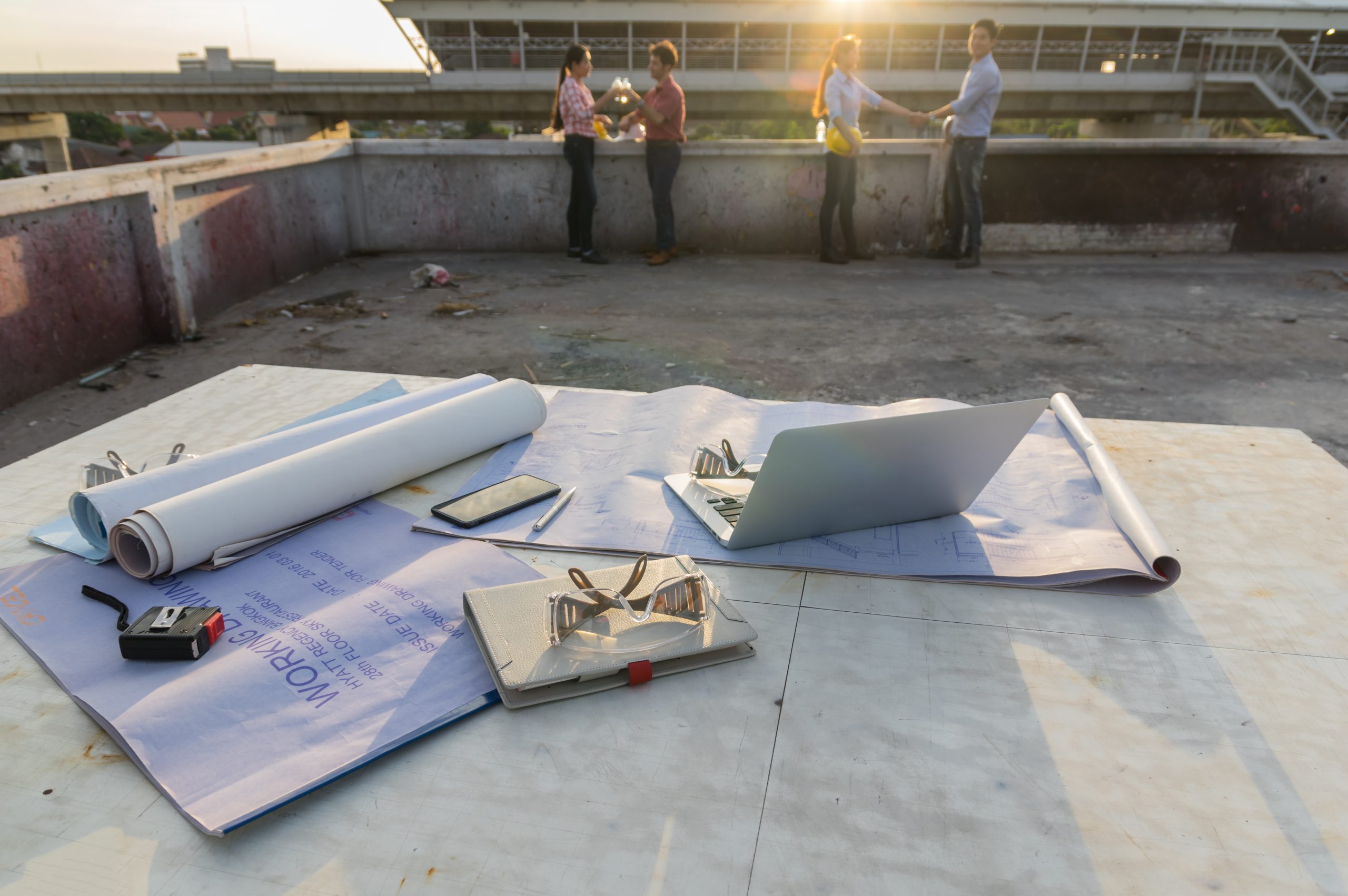
Waterproofing is a critical component of any construction project. Without proper protection against water ingress, even the most meticulously designed and constructed buildings can suffer from structural damage, decreased longevity, and costly repairs. From foundations to rooftops, waterproofing ensures that buildings remain resilient against the elements, protecting not only the structure itself but also its occupants and contents.
1. The Impact of Water Damage on Buildings
Water is one of the most common and destructive forces that buildings face. Without effective waterproofing, water can seep into walls, foundations, and roofs, leading to:
- Structural Weakening: Prolonged exposure to moisture can weaken concrete, corrode steel reinforcements, and compromise the structural integrity of a building.
- Mould and Mildew Growth: Damp conditions create an ideal environment for mould, which can pose health risks and reduce indoor air quality.
- Decreased Lifespan: Water damage accelerates the degradation of materials, shortening the lifespan of the building and increasing maintenance costs.
- Aesthetic Damage: Stains, peeling paint, and efflorescence caused by water infiltration can detract from a building’s appearance and value.
By preventing water ingress, waterproofing solutions protect buildings from these issues, ensuring they remain safe, durable, and visually appealing.
2. The Benefits of Effective Waterproofing Solutions
Investing in high-quality waterproofing solutions offers a range of benefits for both residential and commercial buildings:
- Enhanced Durability: Waterproofing extends the life of the structure by protecting it from water-related damage.
- Energy Efficiency: A well-sealed building is more energy-efficient, as it prevents moisture from affecting insulation and helps regulate indoor temperatures.
- Cost Savings: Preventative waterproofing reduces the need for expensive repairs and maintenance caused by water damage.
- Increased Property Value: Waterproofed buildings are more attractive to buyers and tenants, as they promise long-term reliability and lower maintenance needs.
With these benefits in mind, it’s clear why waterproofing should be a top priority in any construction or renovation project.
3. Key Areas to Waterproof in a Building
Waterproofing is not limited to a single area; it involves protecting multiple components of a building to ensure comprehensive coverage. Here are the key areas that require waterproofing:
- Foundations and Basements: These are particularly vulnerable to groundwater seepage, which can compromise structural stability. Waterproof membranes and coatings are essential for protecting these areas.
- Roofs and Terraces: Flat roofs and terraces are exposed to heavy rainfall and UV radiation, making them prone to leaks if not properly waterproofed.
- Bathrooms and Kitchens: These wet areas experience frequent water exposure, requiring waterproofing to prevent seepage into adjacent rooms.
- Balconies and Decks: These outdoor spaces need to be sealed to prevent water from penetrating and damaging the underlying structure.
- External Walls: Waterproof coatings or cladding systems can protect walls from rain and dampness, preserving their appearance and function.
Using high-quality solutions such as Sika products ensures that all these areas are effectively protected.
4. Types of Waterproofing Solutions
Waterproofing technologies have evolved significantly, offering a range of solutions to meet different construction needs. Some common types include:
- Liquid Waterproofing Membranes: These are applied as a liquid and cure to form a seamless, flexible barrier that adapts to the shape of the surface.
- Sheet Membranes: Pre-fabricated sheets of waterproof material are applied to surfaces, offering excellent resistance to water and durability.
- Cementitious Waterproofing: This involves applying a cement-based coating to surfaces, commonly used for basements and water tanks.
- Bituminous Waterproofing: Bitumen-based products are used for roofs and foundations, providing strong adhesion and durability.
- Polyurethane Waterproofing: Known for its flexibility and resistance to weathering, polyurethane is ideal for exposed surfaces such as roofs.
The choice of solution depends on factors like the project’s requirements, environmental conditions, and budget.
5. The Role of Sika Products in Waterproofing
When it comes to waterproofing, quality matters. Products like Sika products are trusted by professionals worldwide for their reliability, innovation, and performance. Here’s why they are a top choice for waterproofing solutions:
- Comprehensive Range: Sika offers a variety of products, including liquid membranes, sheet systems, and sealants, to address diverse waterproofing needs.
- Proven Performance: With a track record of success in challenging environments, Sika products deliver long-lasting protection against water ingress.
- Ease of Application: Many Sika solutions are designed for efficient installation, reducing labour costs and project timelines.
- Durability: Sika products are engineered to withstand harsh conditions, ensuring that waterproofing remains effective for years to come.
Whether for large-scale commercial projects or smaller residential applications, Sika provides solutions that meet the highest standards of quality and performance.
6. Best Practices for Waterproofing
To maximise the effectiveness of waterproofing solutions, it’s important to follow best practices during installation:
- Surface Preparation: Ensure surfaces are clean, dry, and free of contaminants before applying waterproofing materials.
- Choose the Right Products: Select solutions that are suited to the specific application and environmental conditions.
- Proper Installation: Follow the manufacturer’s guidelines for application techniques, curing times, and layer thickness.
- Regular Maintenance: Inspect and maintain waterproofed areas to address any wear and tear before it leads to significant issues.
Working with experienced professionals and high-quality products like Sika products ensures that these best practices are upheld.
7. The Long-Term Value of Waterproofing
While waterproofing may represent an upfront investment, its long-term value far outweighs the initial cost. By preventing water damage, these solutions:
- Reduce repair and replacement costs.
- Maintain the structural integrity of the building.
- Protect the health and safety of occupants.
- Preserve the aesthetic and functional value of the property.
In essence, waterproofing is a proactive measure that saves time, money, and resources while enhancing the overall quality of construction.
Conclusion
Waterproofing solutions are a cornerstone of durable, reliable, and long-lasting buildings. From protecting structural integrity to reducing maintenance costs, the benefits of effective waterproofing cannot be overstated. High-quality materials like Sika products offer a proven way to safeguard buildings against the damaging effects of water, ensuring they stand the test of time.
For anyone planning a construction or renovation project, prioritising waterproofing is essential. By investing in the right solutions and following best practices, you can create structures that are resilient, efficient, and built to last.