







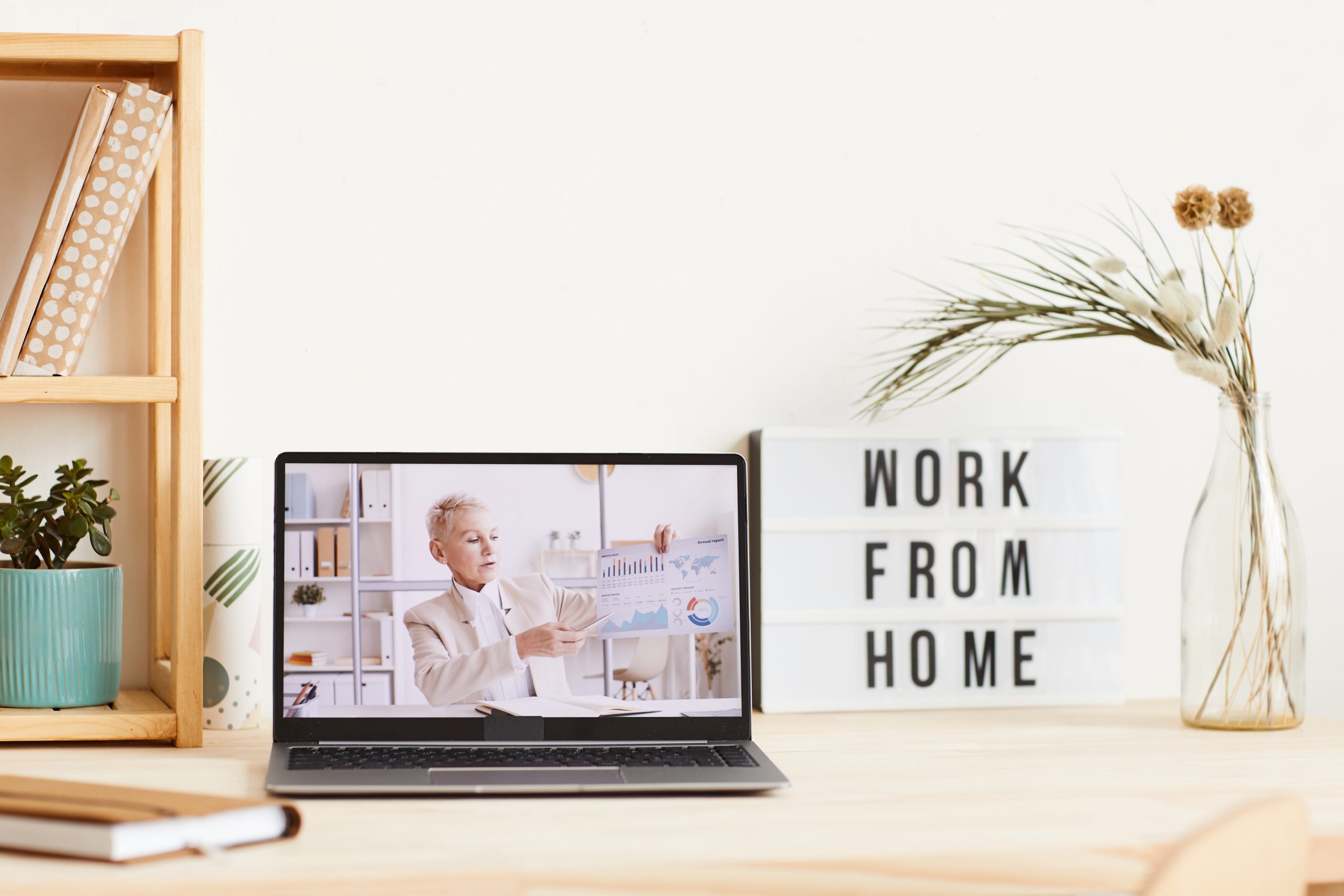
Remote work has changed from a temporary necessity to a permanent reality for millions across the UK. Whilst working from home offers flexibility and eliminates commuting stress, maintaining focus and comfort within domestic spaces presents genuine challenges. Distractions multiply, boundaries blur between professional and personal time, and makeshift arrangements often lead to discomfort and reduced productivity. Simple environmental adjustments can improve both your work output and overall wellbeing, changing any space into an effective home office.
Create a Space That Works for You
Establishing a dedicated work area, however modest, fundamentally improves concentration and work-life separation. According to the Office for National Statistics, hybrid working patterns have become standard for many professionals, making purposeful home workspace design important. Even without a spare room, repurposing a bedroom corner or alcove in your living room creates psychological boundaries between work and leisure. Consistency is important, and using the same spot daily trains your brain to associate that location with productivity.
Use Furniture for Borders
Strategic furniture placement visually delineates work zones from relaxation areas, lowering domestic distractions. A narrow bookcase positioned perpendicular to a wall creates an effective partition without consuming excessive floor space. Room dividers, filing cabinets, or even tall plants establish clear boundaries that signal “work mode” to both yourself and others sharing your home. These physical markers provide mental clarity, helping you switch between professional focus and personal relaxation more effectively.
Control Natural Light and Glare
Lighting profoundly affects both comfort and energy levels throughout your working day. Natural daylight boosts mood and regulates circadian rhythms, but direct sunlight creates screen glare that strains eyes and hampers concentration. Positioning your desk perpendicular to windows instead of directly facing or backing onto them optimises natural light whilst minimising glare. Installing vertical blinds gives you precise control over light direction and intensity, allowing you to adjust slats throughout the day as sun angles change. This flexibility prevents the harsh midday glare that forces squinting at screens whilst maintaining the wellbeing benefits of natural illumination.
Prioritise Storage and Organisation
Organised storage systems eliminate time wasted searching for documents, stationery, or equipment when you need them urgently. Drawer dividers, labelled boxes, and dedicated zones for different categories, such as administrative paperwork, current projects, and technical accessories, streamline your workflow considerably. Keeping frequently used items within arm’s reach whilst storing occasional-use supplies elsewhere maintains a clear workspace without sacrificing accessibility. Simple organisation habits compound into significant time savings over weeks and months.
Ergonomics Matter
Poor posture and uncomfortable positioning cause physical strain that accumulates into genuine health problems. Your chair height should allow feet to rest flat on the floor with knees at roughly ninety degrees. Monitor screens belong at eye level, approximately an arm’s length away, preventing neck strain from looking downward constantly. Keyboards and mice should sit at heights where your forearms remain parallel to the floor. The Park North Physical Therapy provides detailed guidance on setting up workstations that protect long-term physical health.
Keep Your Space Tidy
Maintaining tidiness delivers both practical efficiency and psychological benefits. Clearing your desk at day’s end creates separation between work and evening relaxation whilst making sure that you start each morning with a clean slate. Weekly decluttering sessions prevent gradual accumulation of unnecessary items that distract attention and consume valuable workspace.
Changing your home into an effective workspace needs thoughtful adjustments instead of expensive renovations. Prioritising light control, organisation, and ergonomics creates an environment where productivity and wellbeing both flourish.